Morocco Tours in February 2026: Your Ultimate Guide to a Perfect Winter Escape
Embarking on Morocco tours in February 2026 offers a uniquely captivating travel experience, striking a perfect balance between pleasant exploration and vibrant local culture. While much of Europe shivers, Morocco basks in mild, sunny days, making it an ideal winter sun destination. This comprehensive guide is your one-stop resource for planning the perfect itinerary, understanding the climate, participating in unforgettable festivals, and navigating the practicalities of your trip. Whether you dream of camel trekking across the golden dunes of the Sahara, getting lost in the labyrinthine alleys of ancient medinas, or savoring the aromatic spices of Moroccan cuisine, a tour in February 2026 promises memories that will last a lifetime.
Why Choose Morocco Tours in February 2026?
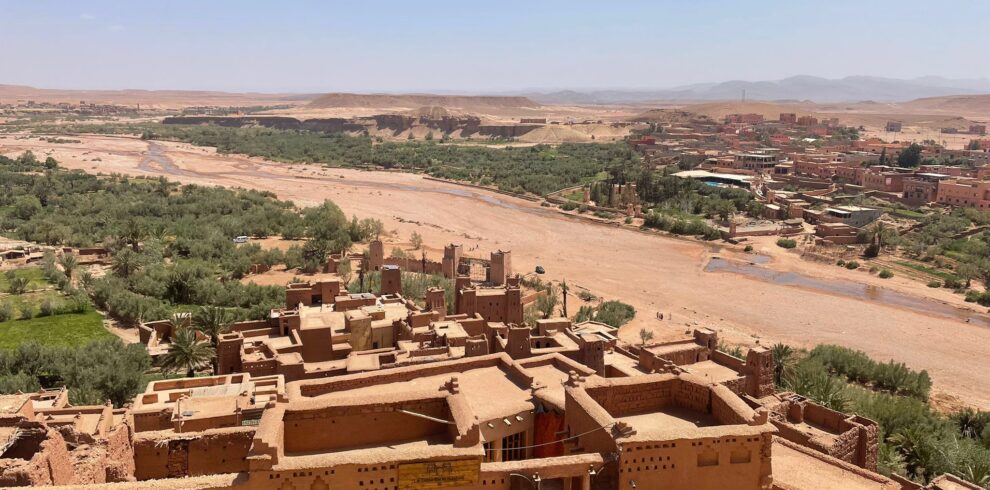
February is a secret sweet spot for visiting Morocco. The oppressive heat of summer has vanished, replaced by crisp, comfortable air that is perfect for sightseeing. The landscapes are lush and green from winter rains, creating a beautiful contrast against the red-earth architecture and golden deserts. Furthermore, planning your Morocco tours in February 2026 well in advance allows you to secure the best guides, accommodations, and experiences before the spring rush begins.
Pleasant Weather for Exploration
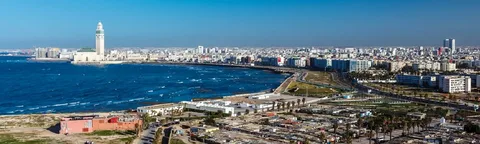
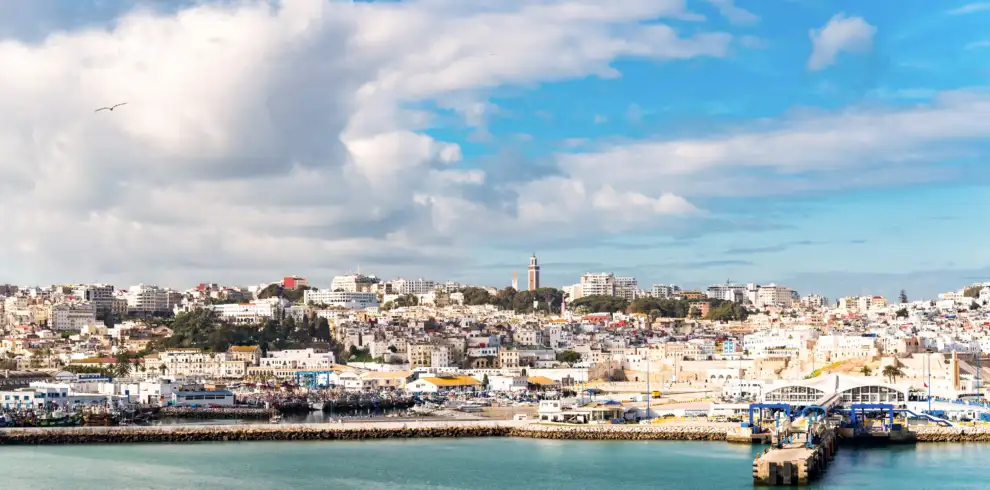
The weather during Morocco tours in February 2026 will be pleasantly mild in most regions. Coastal cities like Essaouira and Casablanca enjoy cool breezes and average temperatures around 15-18°C (59-64°F). Inland imperial cities such as Marrakech and Fes see daytime highs of 18-20°C (64-68°F), though nights can be chilly, dipping to 5-7°C (41-45°F). This climate is ideal for spending long days exploring palaces, souks, and historical sites without breaking a sweat.
Lush, Green Landscapes and Snow-Capped Mountains
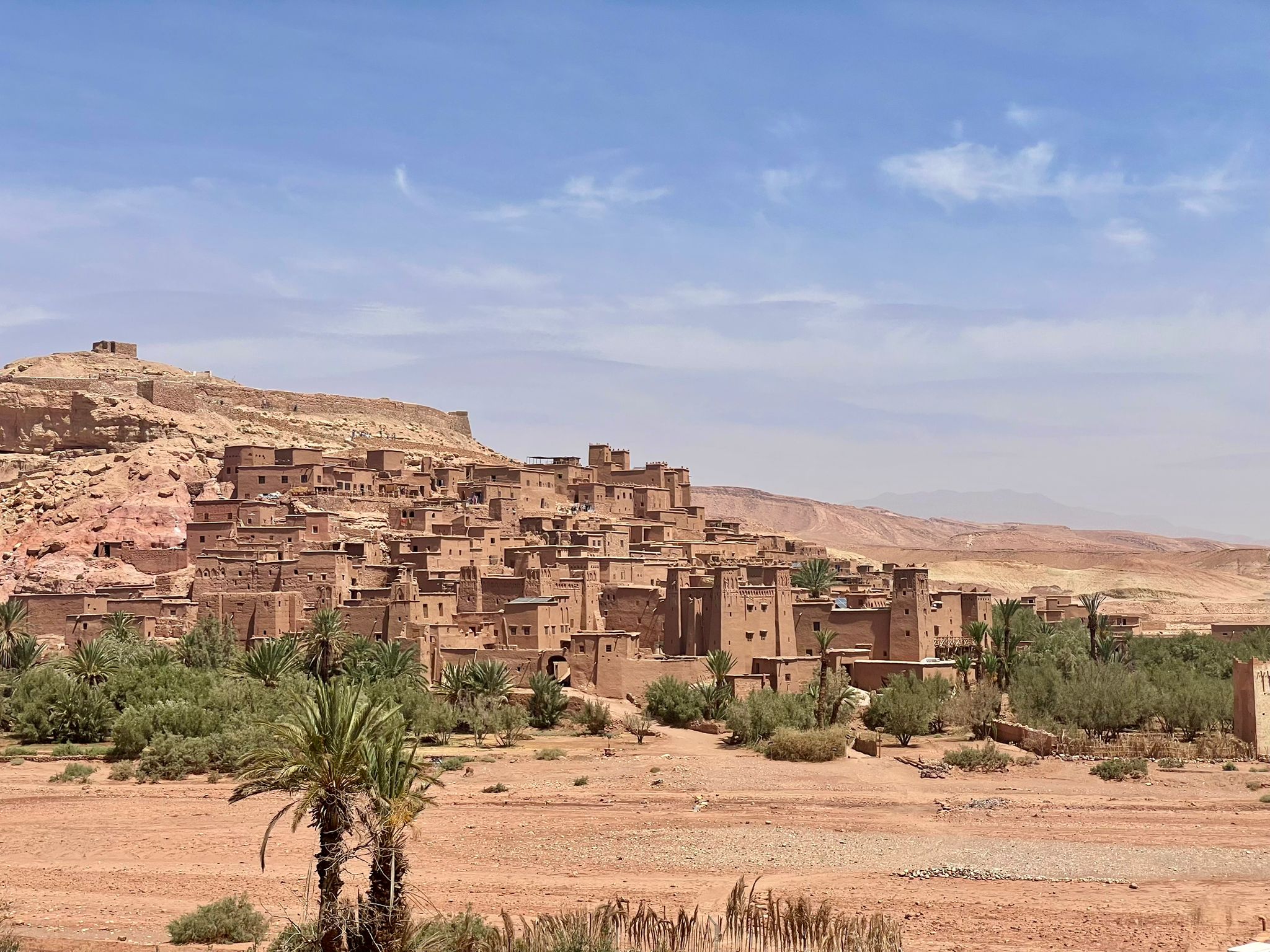
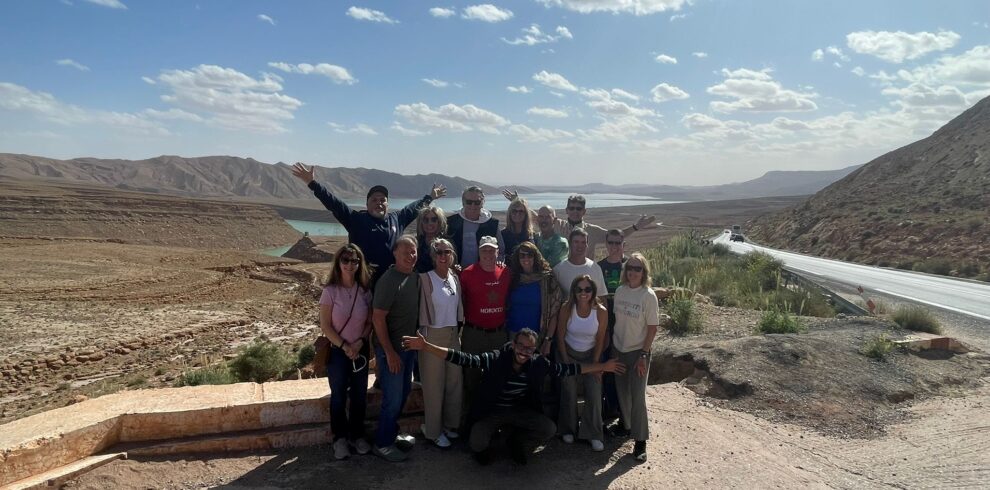
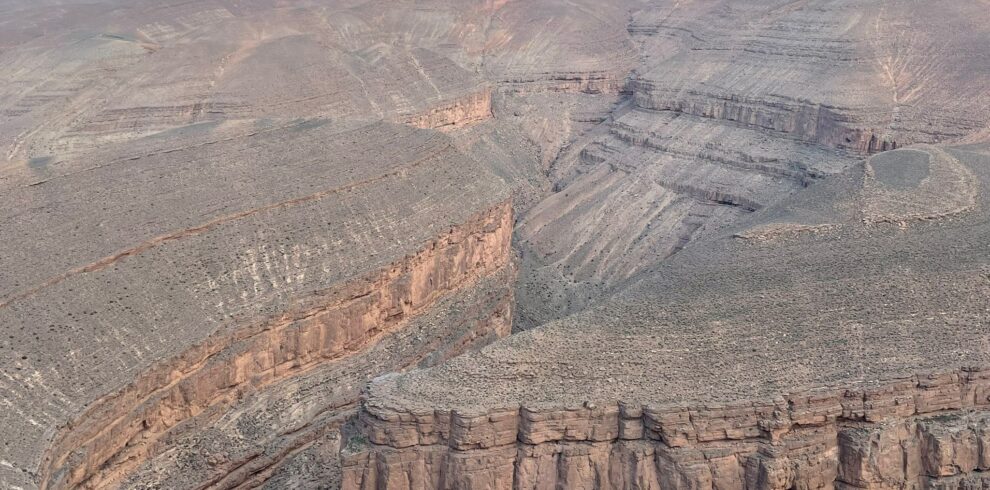
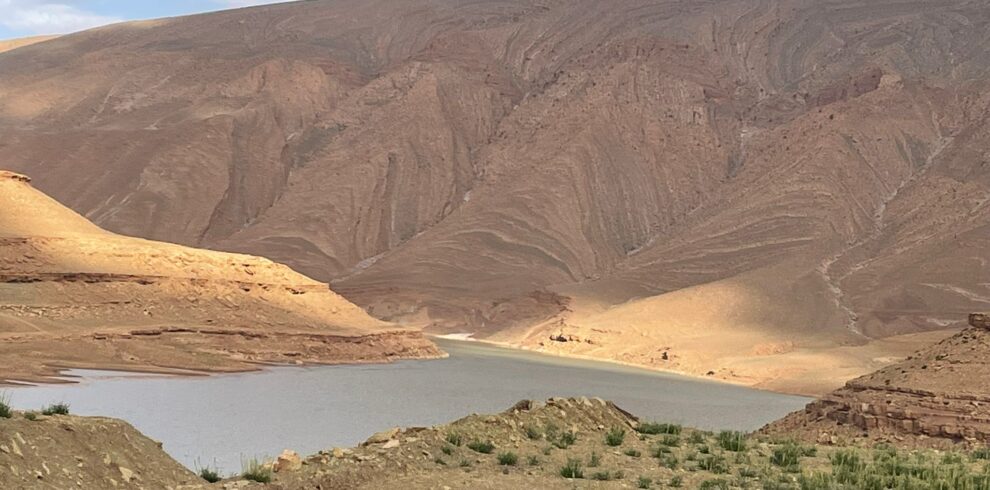
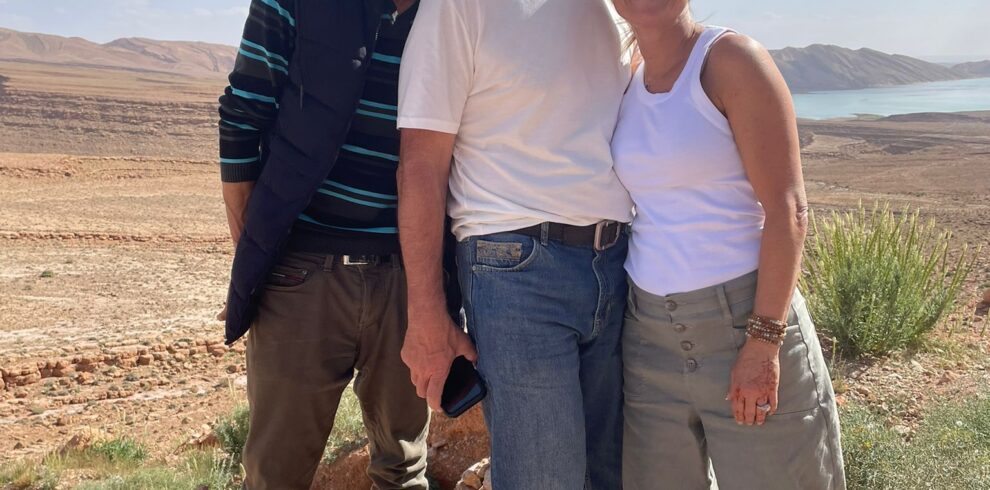
Unlike the arid image many hold, Morocco in February is surprisingly verdant. The Atlas Mountains, often crowned with a beautiful dusting of snow, provide a breathtaking backdrop. The valleys are emerald green, and the fields are dotted with wildflowers. This makes for spectacular photography, especially on the road to the desert or through the Atlas passes.
Cultural Immersion and Local Festivities
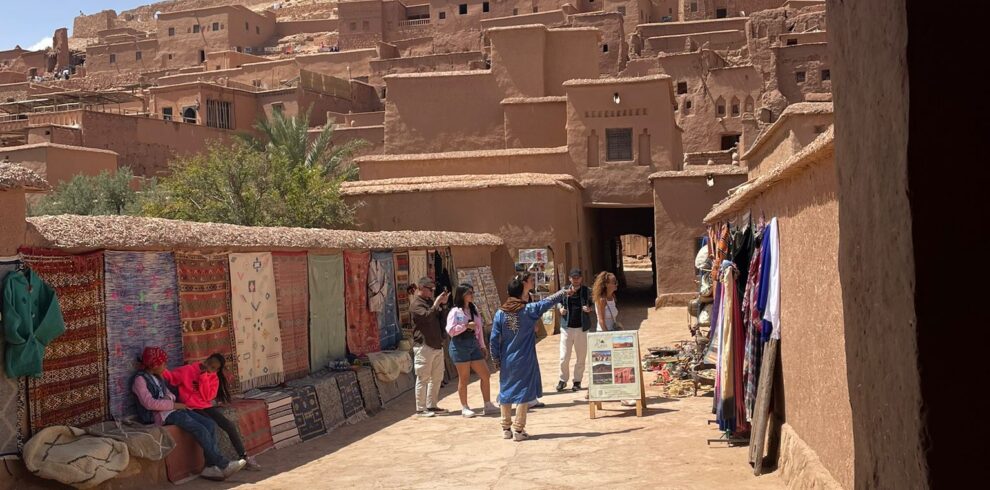
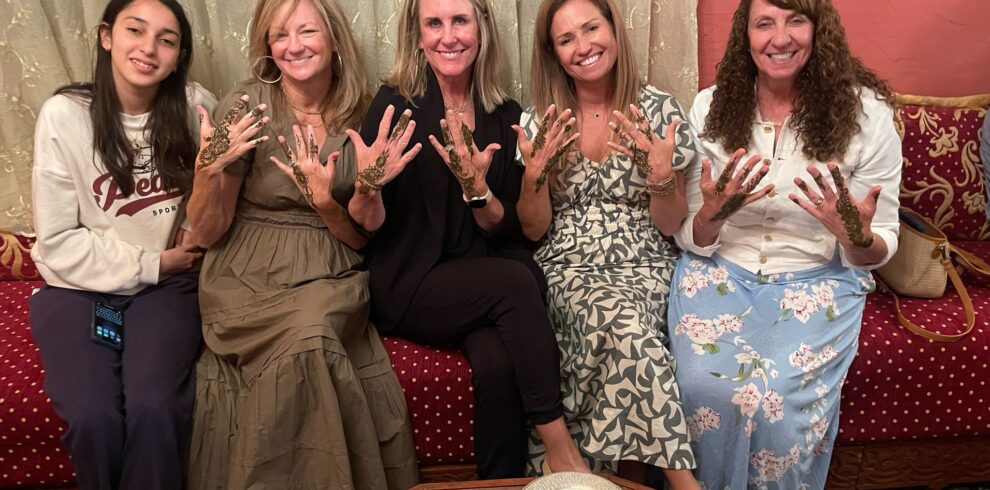
Traveling in February allows for a more intimate cultural experience. With fewer tourists than in the spring, you can engage more deeply with locals and artisans. While major Islamic holidays like Ramadan are based on the lunar calendar and may fall in different months, there’s always a chance to experience local moussems (saint festivals). Planning your Morocco tours in February 2026 also positions you to potentially experience the Almond Blossom Festival in the Tafraoute region, a vibrant celebration of spring’s arrival.
Top Destinations to Include in Your Morocco Tour Itinerary for February 2026
Crafting the perfect itinerary is key to a successful tour. Here are the essential destinations that shine in February.
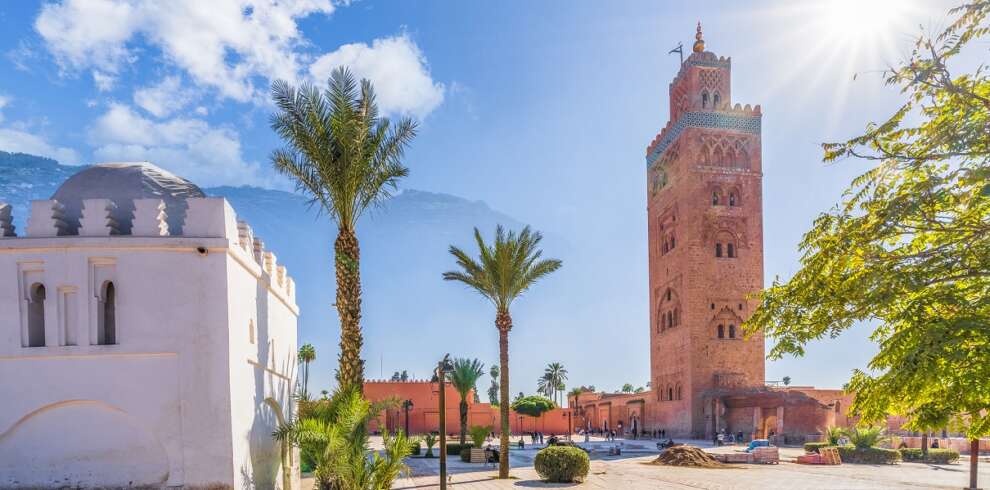
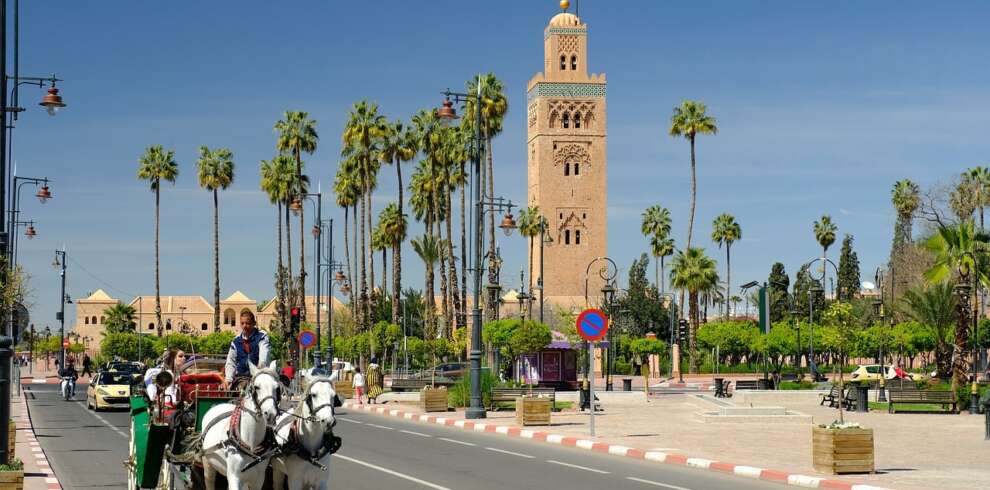
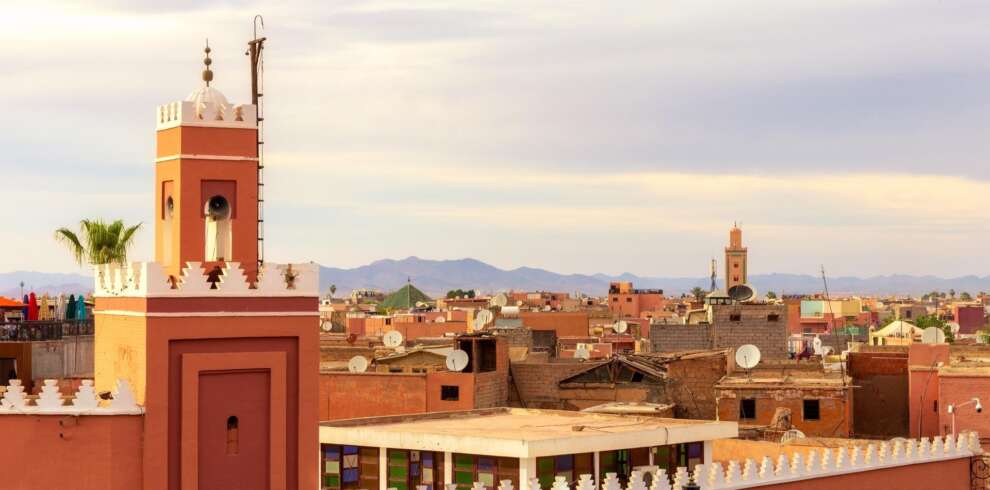
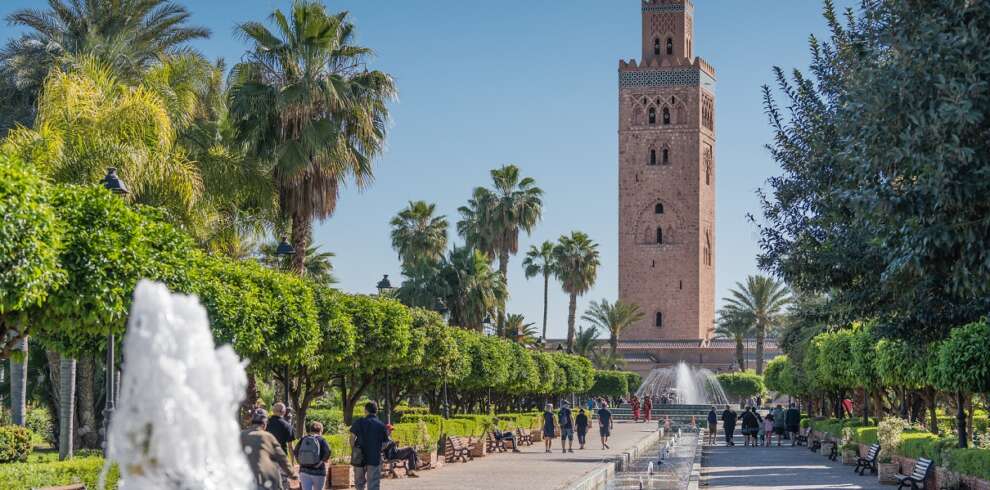
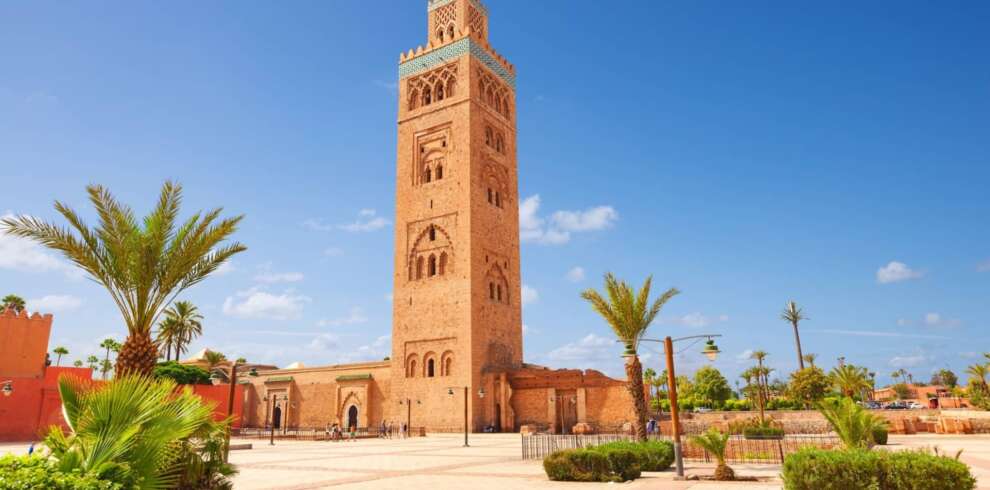
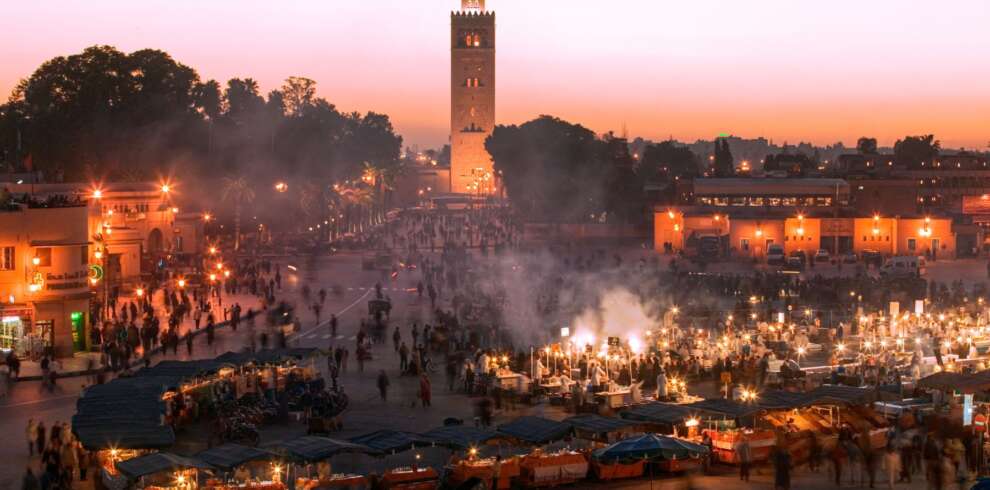
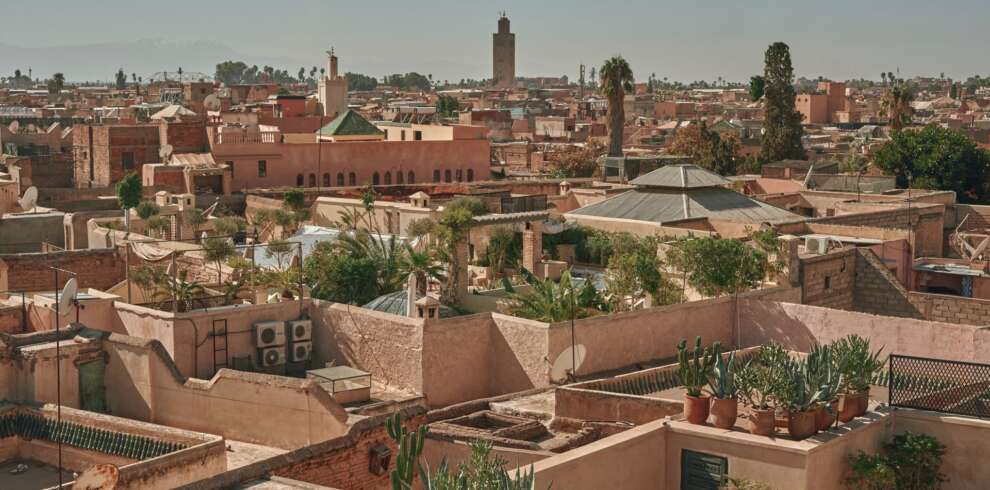
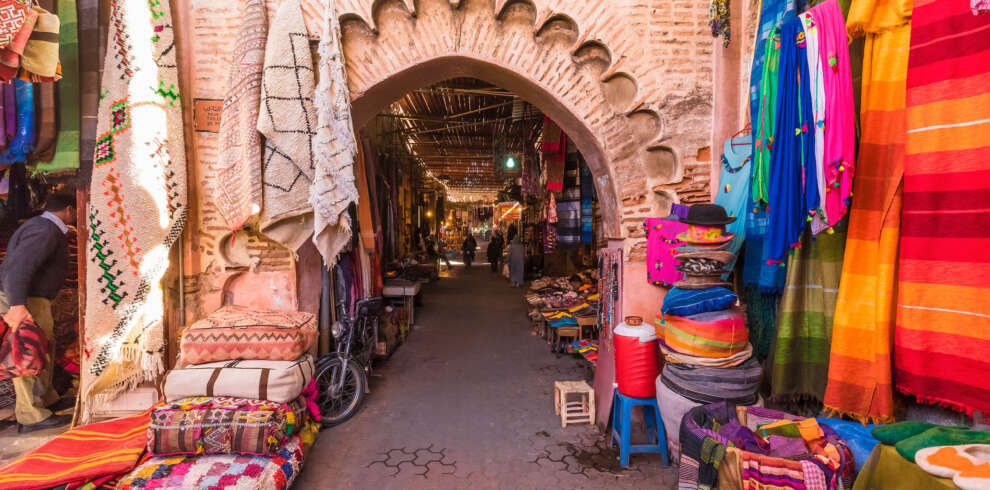
No Morocco tours in February 2026 are complete without a visit to the enchanting city of Marrakech. The weather is perfect for exploring the famous Jemaa el-Fnaa square, which transforms from a bustling market by day into a massive open-air food festival by night.
Must-See Sights: The Bahia Palace, the Saadian Tombs, and the Koutoubia Mosque.
February Experience: Enjoy the lush, peaceful gardens of Jardin Majorelle without the intense crowds. The cooler evenings are perfect for a traditional dinner in a riad courtyard.
The Intellectual Capital: Fes
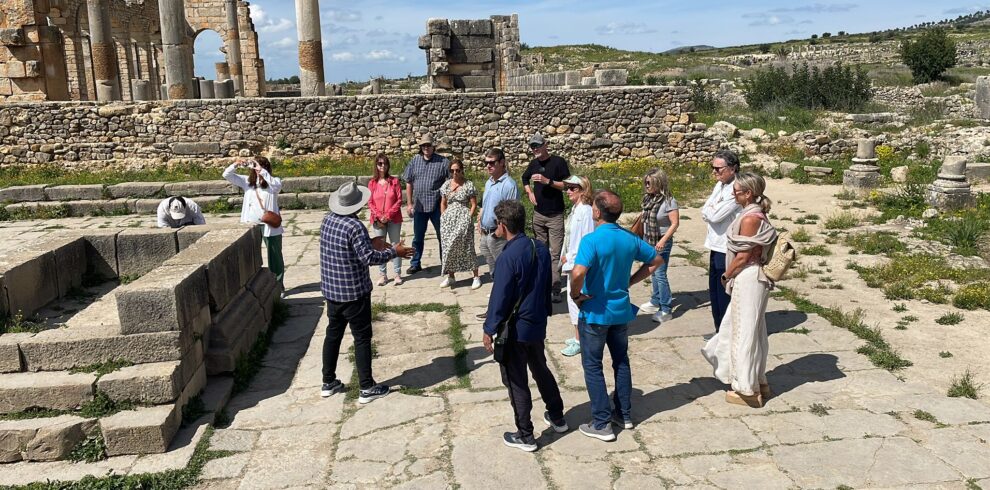
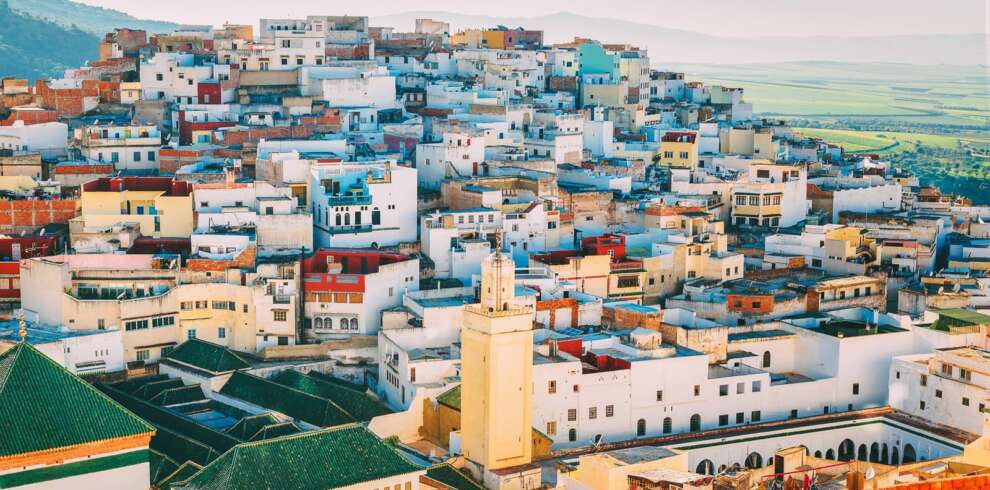
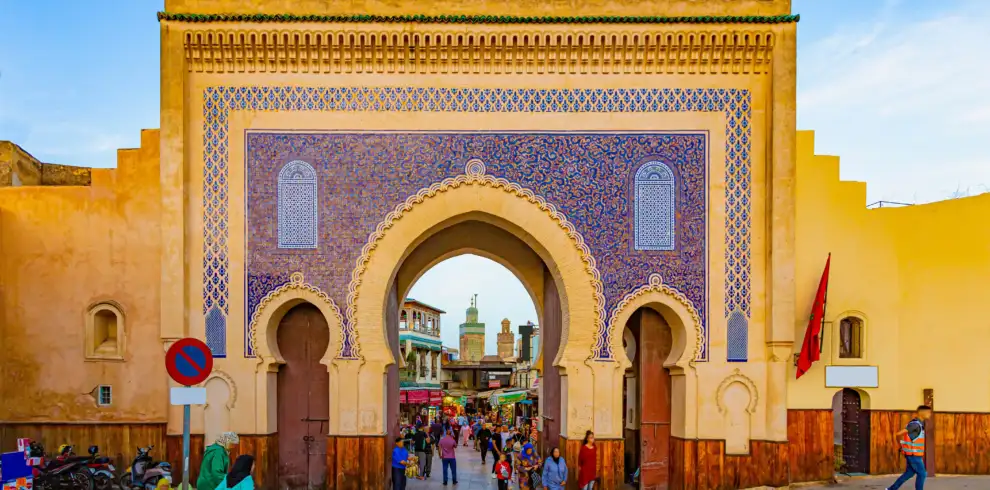
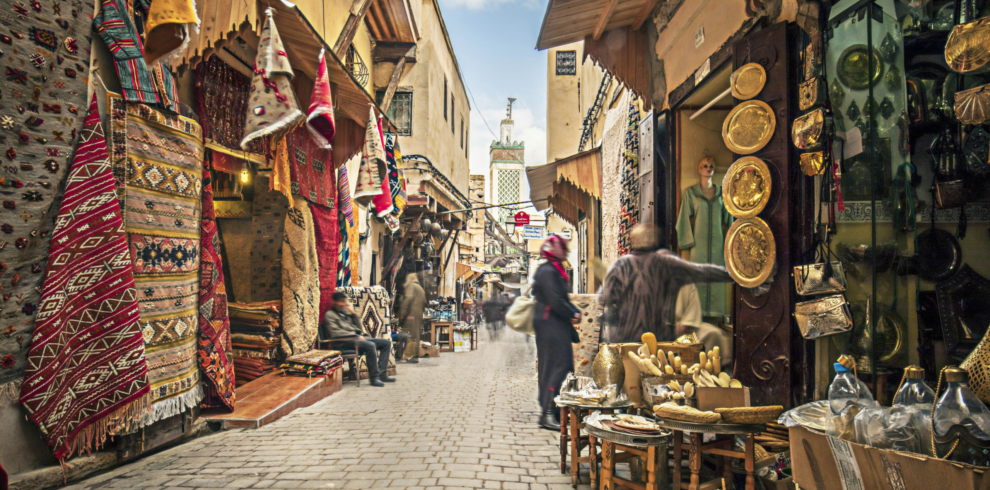
Fes is home to the world’s largest living medieval medina, a UNESCO World Heritage site. The cooler February weather makes navigating its thousands of narrow alleyways a much more comfortable endeavor.
Must-See Sights: The Chouara Tannery, Al-Attarine Madrasa, and the Bou Inania Medersa.
February Experience: Watch the artisans at work in the tanneries without the overwhelming summer smells. The city has a profound, scholarly atmosphere that is best absorbed in the calm winter air.
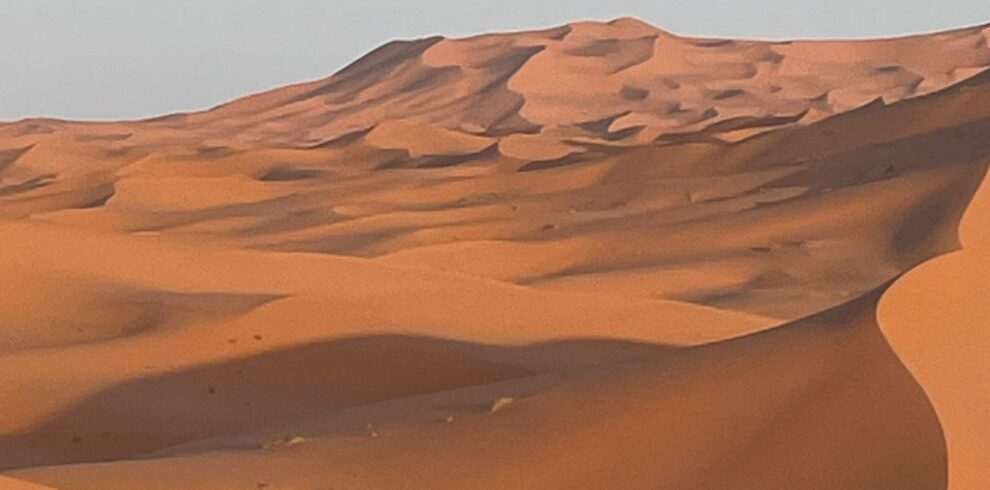
The Sahara Desert: Merzouga & Erg Chebbi
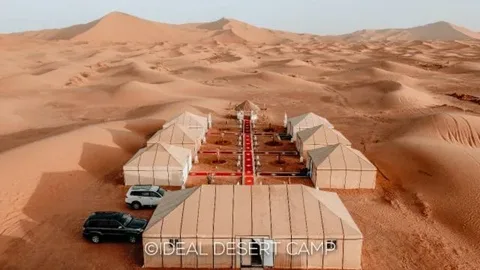
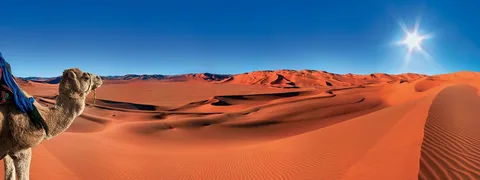
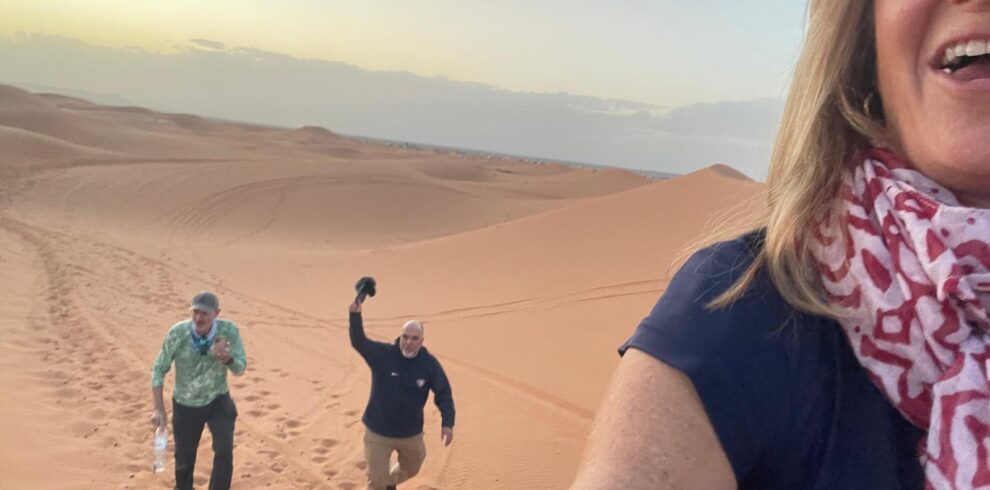
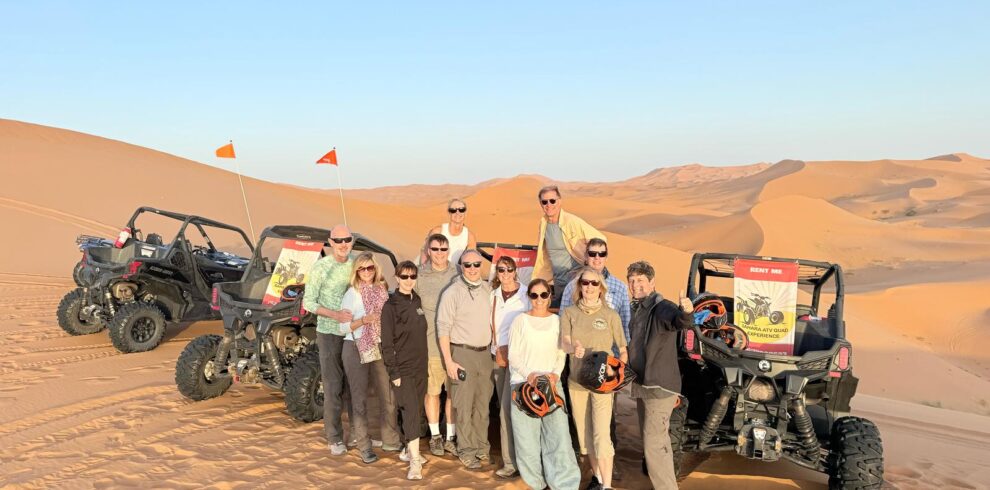
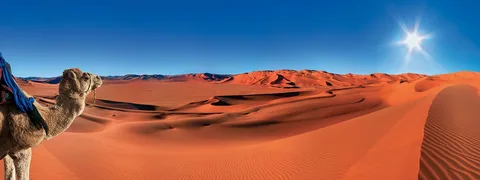
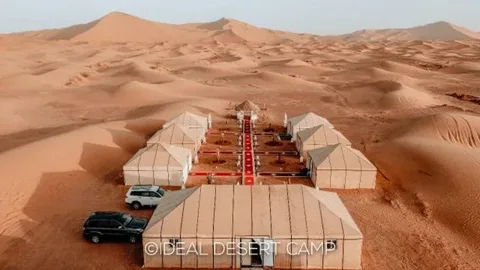
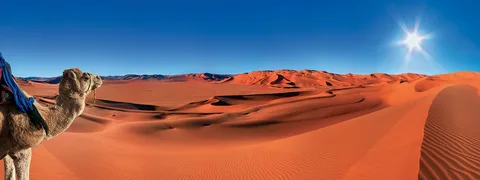
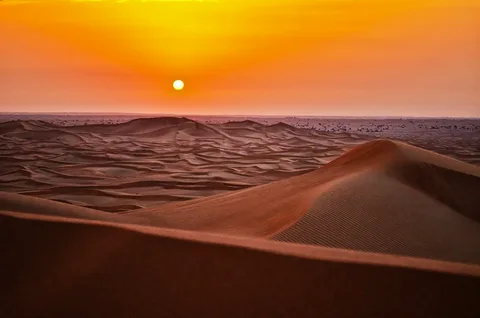
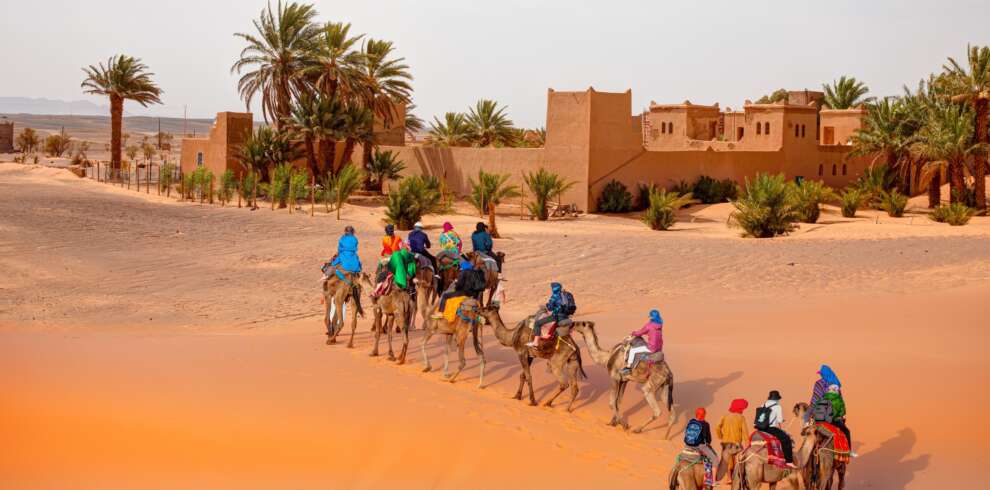
A highlight of any Morocco tours in February 2026 is a journey to the Sahara. The desert days are warm and sunny, but the nights are cold and crystal clear, offering incredible stargazing.
Must-Do Experience: A camel trek at sunset to a Berber desert camp, followed by a night around the campfire with traditional music.
What to Pack: Layers! A warm jacket, hat, and gloves are essential for the cold desert nights, while a t-shirt will suffice during the day.
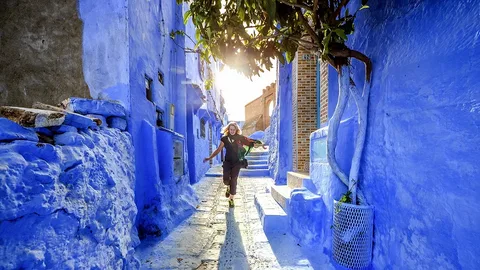
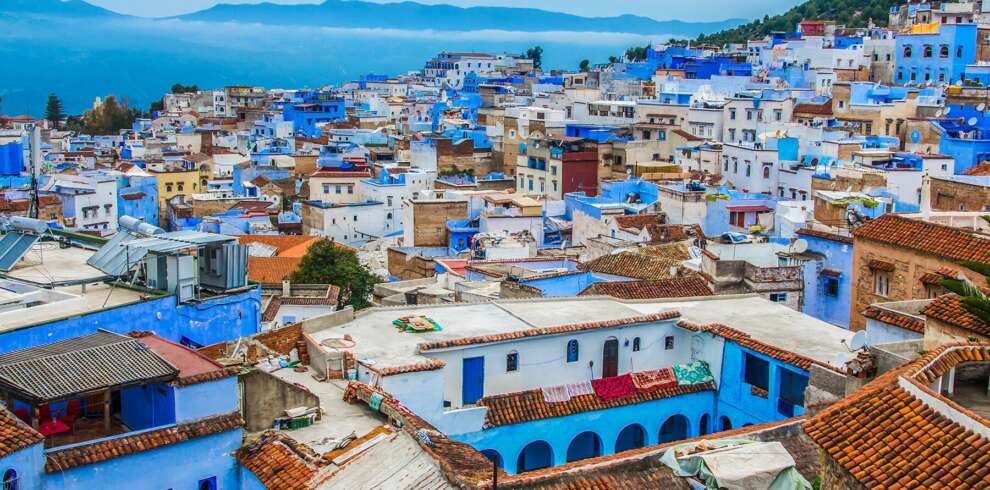
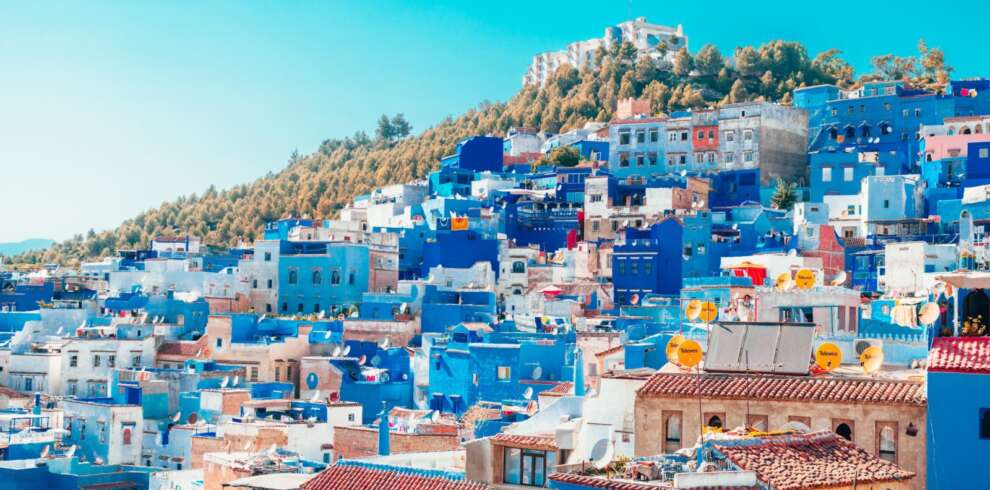
The Blue Pearl: Chefchaouen
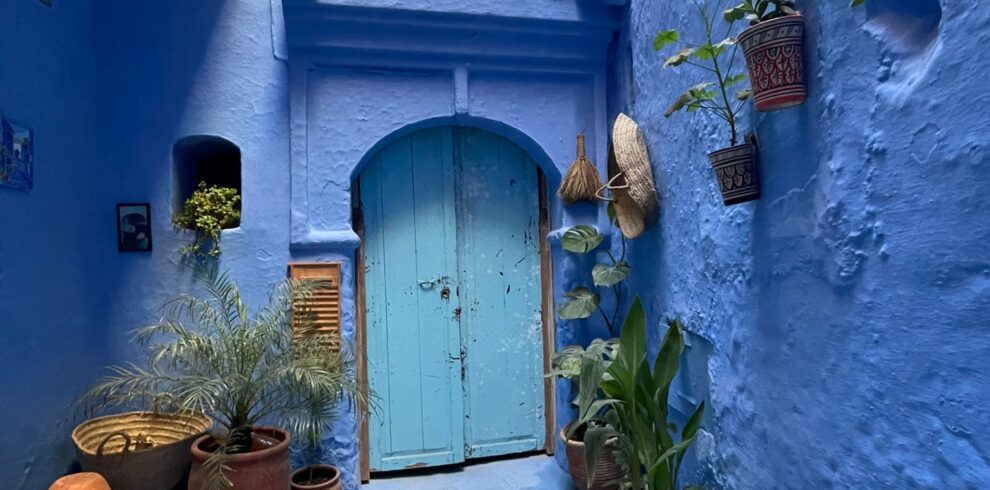
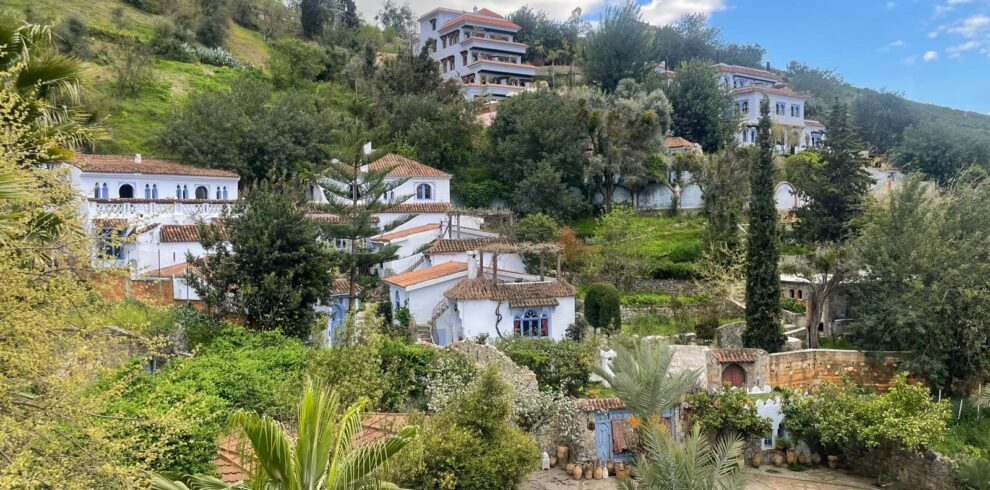
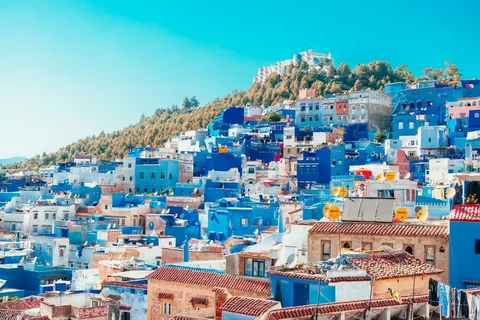
Nestled in the Rif Mountains, Chefchaouen is famous for its striking blue-washed buildings. February brings a serene and almost mystical quality to the city, with the possibility of misty mornings clinging to the mountain peaks.
Must-See Sights: Simply wander the blue streets, visit the Kasbah, and enjoy the local handicrafts.
February Experience: The cool mountain air and potential for rain showers make the cozy cafes and shops even more inviting.
The Coastal Charm: Essaouira
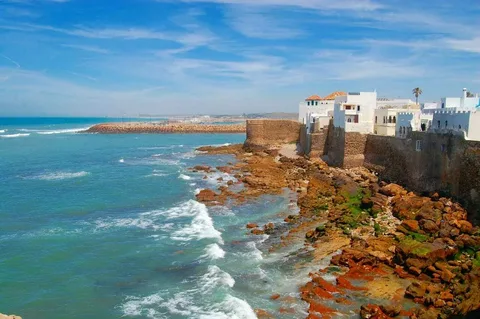
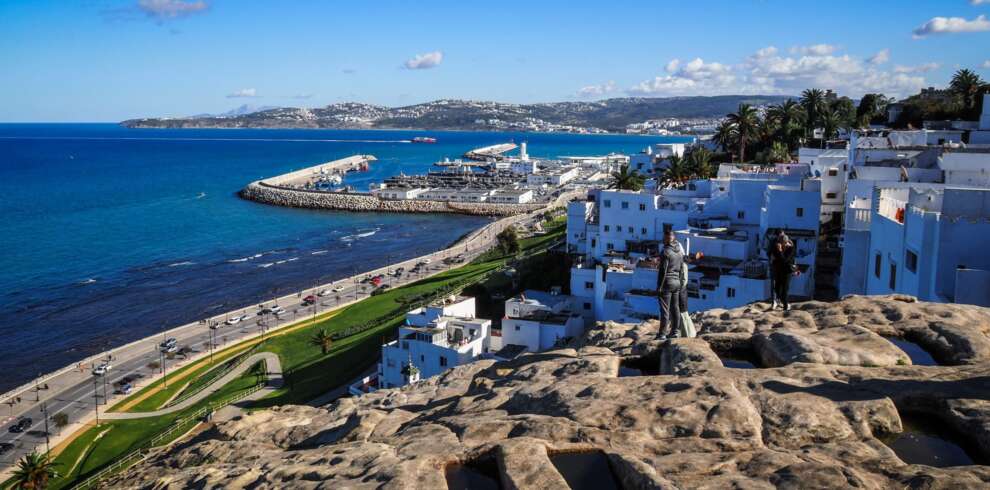
For a change of pace, include the windy city of Essaouira in your Morocco tours in February 2026. Its fortified medina, fresh seafood, and expansive beaches offer a relaxing coastal interlude.
Must-See Sights: The Skala de la Ville (seaside ramparts), the fishing port, and the thuya wood workshops.
February Experience: While it might be too cool for swimming, the dramatic Atlantic waves and fresh sea air are invigorating. It’s a great place for windsurfing or simply enjoying a peaceful stroll.
Practical Travel Tips for Your February 2026 Tour
What to Pack for Morocco in February
Packing the right items is crucial for comfort. The key is layering.
Clothing: Thermal base layers, long-sleeved shirts, sweaters or fleeces, a warm and windproof jacket, comfortable pants (jeans or hiking trousers).
Footwear: Sturdy, comfortable walking shoes are non-negotiable.
Accessories: A warm hat, gloves, and a scarf (essential for the cold desert nights and also useful for visiting mosques). Sunglasses and sunscreen are also important due to the strong sun.
Cultural Etiquette and Customs
Dress Modestly: Especially in rural areas and when visiting religious sites. Covering shoulders and knees is recommended.
Tipping: Tipping (dirhams) is customary for guides, drivers, and hotel staff.
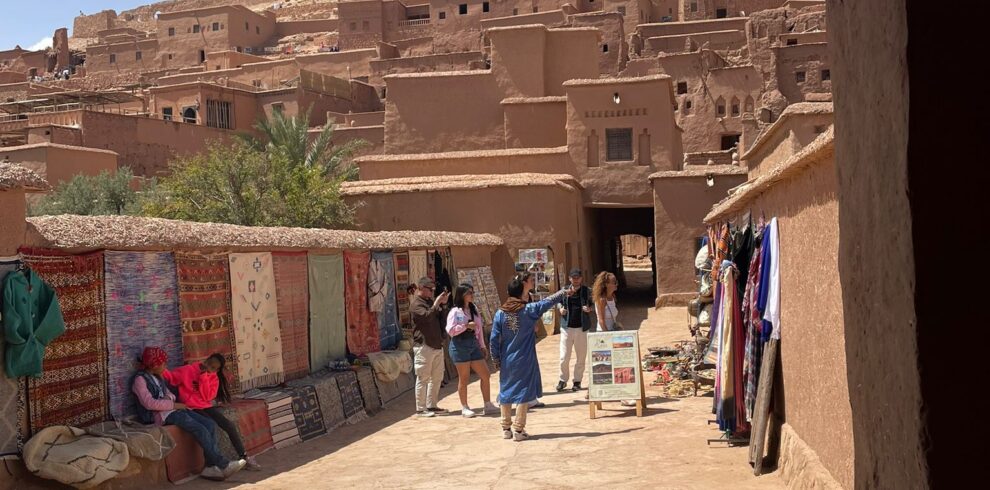
Haggling: It is expected in the souks. Be polite, have a sense of humor, and be prepared to walk away.
Health and Safety
Food and Water: Stick to bottled water. The food is generally safe, but perhaps avoid uncooked vegetables from street stalls if you have a sensitive stomach.
Travel Insurance:This is essential. Ensure your policy covers medical emergencies, trip cancellations, and activities like camel trekking.
Frequently Asked Questions About Morocco Tours in February 2026
Is February a good time to visit Morocco?
Absolutely. February is an excellent time for Morocco tours in February 2026. You’ll enjoy mild temperatures, lush scenery, and fewer tourists than in the peak seasons, making for a more authentic and comfortable experience.
How cold are the nights in the Sahara Desert in February?
Nights in the Sahara in February can be very cold, often dropping to near freezing (0°C or 32°F). Desert camps provide heavy blankets, but packing a warm sleeping bag liner and thermal wear is highly recommended for a comfortable night’s sleep.
Can I swim in the pools or the ocean in February?
While some hotels in Marrakech may have heated pools, the ocean water on both the Atlantic and Mediterranean coasts will be too cold for comfortable swimming in February. The pool experience is more for sunbathing on a warm afternoon rather than swimming.
What are the visa requirements for visiting Morocco?
Citizens of the EU, USA, UK, Canada, Australia, and New Zealand do not require a visa for tourist visits of up to 90 days. Your passport must be valid for at least six months from your date of entry. Always double-check with the Moroccan consulate in your country as regulations can change.
Is it easy to find vegetarian or vegan food in Morocco?
Yes, Moroccan cuisine is very vegetarian-friendly. Staple dishes like couscous with vegetables, tagines with beans and lentils, and a variety of salads are widely available. However, it’s always good to clearly communicate your dietary requirements to your guide or server.
Conclusion: Book Your Unforgettable Moroccan Adventure Today
A journey to Morocco in February 2026 is more than just a vacation; it’s an immersion into a land of timeless beauty, rich history, and warm hospitality. The ideal weather, stunning landscapes, and deep cultural experiences make it a premier choice for discerning travelers. By planning your Morocco tours in February 2026 with this guide, you are setting the stage for an adventure that will captivate your senses and leave you with stories to tell for years to come. Start dreaming, start planning, and get ready to explore the magic of Morocco.
Ready to start planning your dream trip?
Contact us today for a customized quote for your Morocco 2026 tour!]